Who Created the Rings of Power in Lord of the Rings?
This question appears constantly in discussions of Middle-earth.
It’s not asking about Tolkien, obviously—though he’s the one who imagined them into existence. The question asks about the lore itself. Who, within the mythology of Middle-earth, forged these artifacts that would shape the fate of an entire age?
The answer is more complex than a single name. The creation of the Rings of Power involves deception, extraordinary craftsmanship, and a betrayal that would echo through centuries. Understanding who made them requires understanding how they came to exist—and why their creation became one of the great tragedies of the Second Age.
Let us journey together into the heart of Arda (Quenya: “Realm”), also known as Earth, a world in Eä where all the peoples of Middle-earth and Aman lived (https://lotr.fandom.com/wiki/Arda).
Celebrimbor: The Master Smith of Eregion
The primary creator of the Rings of Power was Celebrimbor, an Elven prince of the Ñoldor and the greatest craftsman of the Second Age.
His lineage alone carries weight in Middle-earth’s history. Celebrimbor was the grandson of Fëanor, the Elf who created the Silmarils—the legendary jewels whose theft sparked wars that reshaped the world. That inheritance of skill and ambition ran through Celebrimbor’s hands when he took up hammer and forge.
During the Second Age, Celebrimbor ruled Eregion, a realm known for its smiths and its alliance with the Dwarves of Khazad-dûm. The Elves of Eregion pursued knowledge of craftsmanship with an intensity that bordered on obsession. They sought to create works that would preserve beauty against the decay of time—a characteristically Elven desire, and one that would prove their undoing.
Celebrimbor had already demonstrated his mastery before the Rings. He crafted the second Elfstone, a gem of such beauty that it was later given to Aragorn. But his greatest work—and his greatest mistake—would be the Rings of Power.
Sauron’s Deception: Annatar, the Lord of Gifts
Around the year 1500 of the Second Age, a figure calling himself Annatar appeared in Eregion.
He presented himself as an emissary of the Valar, particularly of Aulë, the Vala who first taught smithcraft to the Dwarves. Annatar claimed he had come to share knowledge—to teach the Elves techniques of crafting that would allow them to preserve Middle-earth’s beauty against the corruption of time.
This was Sauron, of course. The Dark Lord had taken a fair form, one that concealed his true nature and intentions. His goal was simple: convince the Elves to forge Rings of Power that he could then control through a master Ring of his own creation.
Celebrimbor distrusted Annatar from the beginning. But his fellow smiths in Eregion were captivated by the knowledge this stranger offered. Against his better judgment, Celebrimbor participated in the work, learning techniques of ring-craft that would allow him to forge artifacts of genuine power.
The collaboration between Celebrimbor and Sauron (disguised as Annatar) produced the lesser Rings first—practice pieces, in a sense, as the smiths refined their craft. But the true work came later, when they attempted to create Rings capable of preserving the realms of Elves, Dwarves, and Men.
The Forging of the Rings of Power
Here’s where the story becomes crucial to understanding who actually created the Rings.
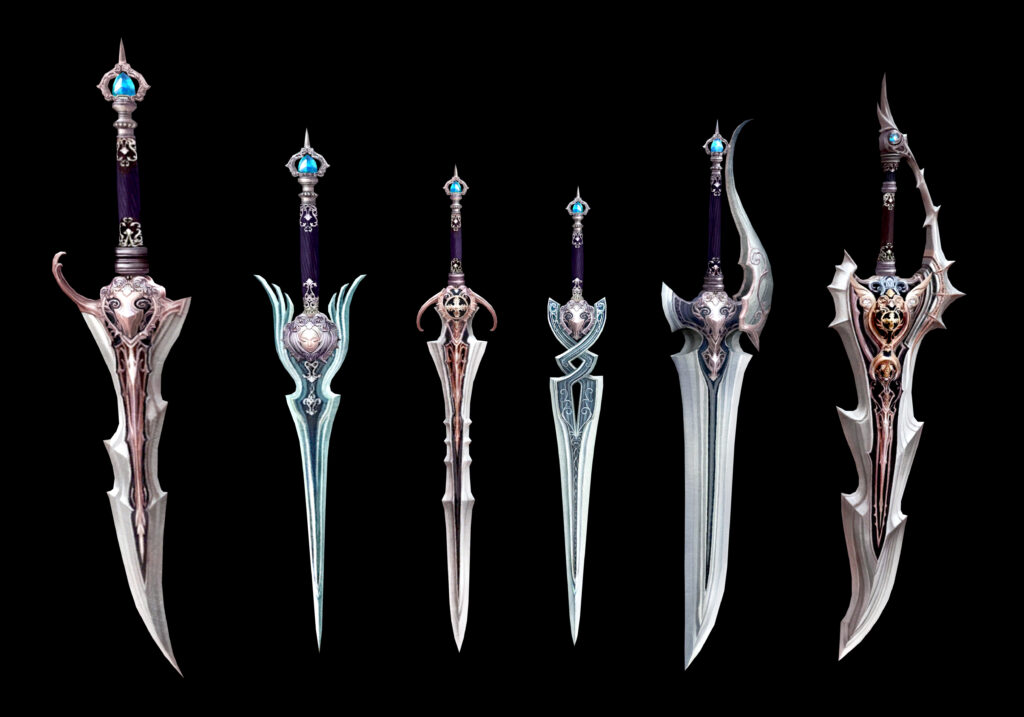
Under Sauron’s guidance, the smiths of Eregion forged nineteen Rings of Power:
- Nine for Mortal Men
- Seven for the Dwarf-lords
- Three for the Elves
But Celebrimbor created the Three Elven Rings—Vilya, Narya, and Nenya—alone, without Sauron’s direct involvement. This distinction would prove essential.
The Three were the most powerful Rings ever made, second only to the One. Vilya, the Ring of Air, was the mightiest. Narya, the Ring of Fire, could kindle hearts to resist tyranny and despair. Nenya, the Ring of Water, preserved beauty and warded off decay. Celebrimbor forged them in secret, and Sauron never touched them.
The other sixteen Rings were created with Sauron’s direct participation. He taught the techniques, guided the work, and—crucially—ensured that each Ring contained a vulnerability he could later exploit.
The One Ring: Sauron’s Master Stroke
While the Elven-smiths believed they were creating Rings to preserve and protect, Sauron was preparing his trap.
In secret, he returned to Mount Doom in Mordor and forged the One Ring—a master Ring designed to control all the others. He poured a significant portion of his own power into it, binding the fate of all the Rings to his will.
When Sauron first put on the One Ring, every bearer of the other Rings immediately felt his presence and understood his betrayal. The Elves, horrified, removed their Rings and hid them. The carefully planned deception had failed—at least partially.
The Nine Rings given to Men proved more successful. Mortal Men were more easily corrupted by the promise of power, and over time, the Nine Kings who bore those Rings fell under Sauron’s dominion entirely, becoming the Nazgûl—the Ringwraiths, neither living nor dead, bound to serve the Dark Lord forever.
The Seven Rings given to the Dwarves had mixed results. Dwarves proved more resistant to domination than Men, but the Rings amplified their natural desire for wealth, ultimately contributing to their downfall through greed and the conflicts it provoked.
The Three Rings: Celebrimbor’s Legacy
The Three Elven Rings remained pure because Sauron never touched them during their creation.
Celebrimbor sent Vilya and Narya to Gil-galad, the High King of the Ñoldor in Lindon. Nenya went to Galadriel in Lothlórien. These Rings would eventually be worn by Elrond (Vilya), Gandalf (Narya), and Galadriel (Nenya)—three of the wisest and most powerful beings in Middle-earth.
But there was a problem. Because all the Rings were connected through the techniques Sauron had taught, even the Three were bound to the One. If Sauron regained the One Ring, he could potentially control even the Three that he had never touched. And if the One Ring were destroyed, the power of all the Rings—including the Three—would fade.
This connection meant that the Elves who wore the Three lived under a permanent threat. Their preservation of beauty and resistance to decay depended on Rings that were fundamentally linked to Sauron’s creation. They had used the Enemy’s own techniques to fight him, and that choice carried a price.
The Fall of Celebrimbor
When Sauron’s betrayal became clear, he abandoned all pretense.
He waged war on Eregion, determined to seize the Rings and punish those who had defied him. The realm fell. Celebrimbor was captured, tortured, and killed—but he never revealed the location of the Three Rings. His final act was one of defiance, protecting the greatest works he had ever created from the being who had corrupted all his other achievements.
Celebrimbor died as the last great craftsman of his line, a descendant of Fëanor who had inherited both the genius and the tragedy of that bloodline. His creations would shape the history of Middle-earth for thousands of years, though never in the way he had intended.
Who Created the Rings of Power? The Complex Answer
So who created the Rings of Power?
The technical answer: Celebrimbor and the smiths of Eregion forged the physical Rings under Sauron’s guidance, with Celebrimbor alone creating the Three Elven Rings without Sauron’s direct involvement.
The deeper answer: The Rings of Power exist because of Sauron’s deception. He manipulated the Elves’ desire to preserve beauty and their pride in craftsmanship, teaching them techniques that would allow him to create a master Ring capable of dominating all the others. Celebrimbor and his fellow smiths were the artisans, but Sauron was the architect of the entire plan.
The tragedy is that Celebrimbor created the most powerful and beautiful Rings in an attempt to preserve what was good in Middle-earth—and in doing so, he forged the instruments of potential domination that would plague the world for ages to come.
The Legacy of the Rings
The Rings of Power shaped the entire Third Age of Middle-earth.
The Nine enslaved the kings who wore them, transforming them into the Nazgûl who would hunt Frodo across half the world. The Seven enriched Dwarf-lords and made them targets for dragons and other evils drawn to their hoards. The Three preserved the last strongholds of Elven beauty—Rivendell, Lothlórien, and the Grey Havens—but only as long as the One Ring remained lost.
And the One Ring, the master of them all, waited. It survived Sauron’s first defeat when Isildur cut it from his hand. It lay hidden in the Anduin for centuries before finding Gollum. It passed to Bilbo, then to Frodo, who would carry it to Mount Doom where it was finally destroyed—along with Sauron’s power and, eventually, the power of the Three Rings as well.
In the end, the Rings of Power accomplished neither Celebrimbor’s goal of preservation nor Sauron’s goal of domination. They became instruments of suffering and sacrifice, corrupting nearly everyone who touched them, until a small hobbit with no power at all carried the greatest of them into the fire that unmade it.
The story of their creation is a reminder that even the greatest craftsmanship, when it serves pride or the desire to prevent change, can become a source of evil. Celebrimbor wanted to preserve beauty. Sauron wanted absolute power. Both failed, and the cost was counted in ages.
Discover a World of Original Magic
If you’re drawn to fantasy worlds with deeply considered magic systems, political complexity, and the weight of difficult choices, you might find what you’re looking for in Arizan.
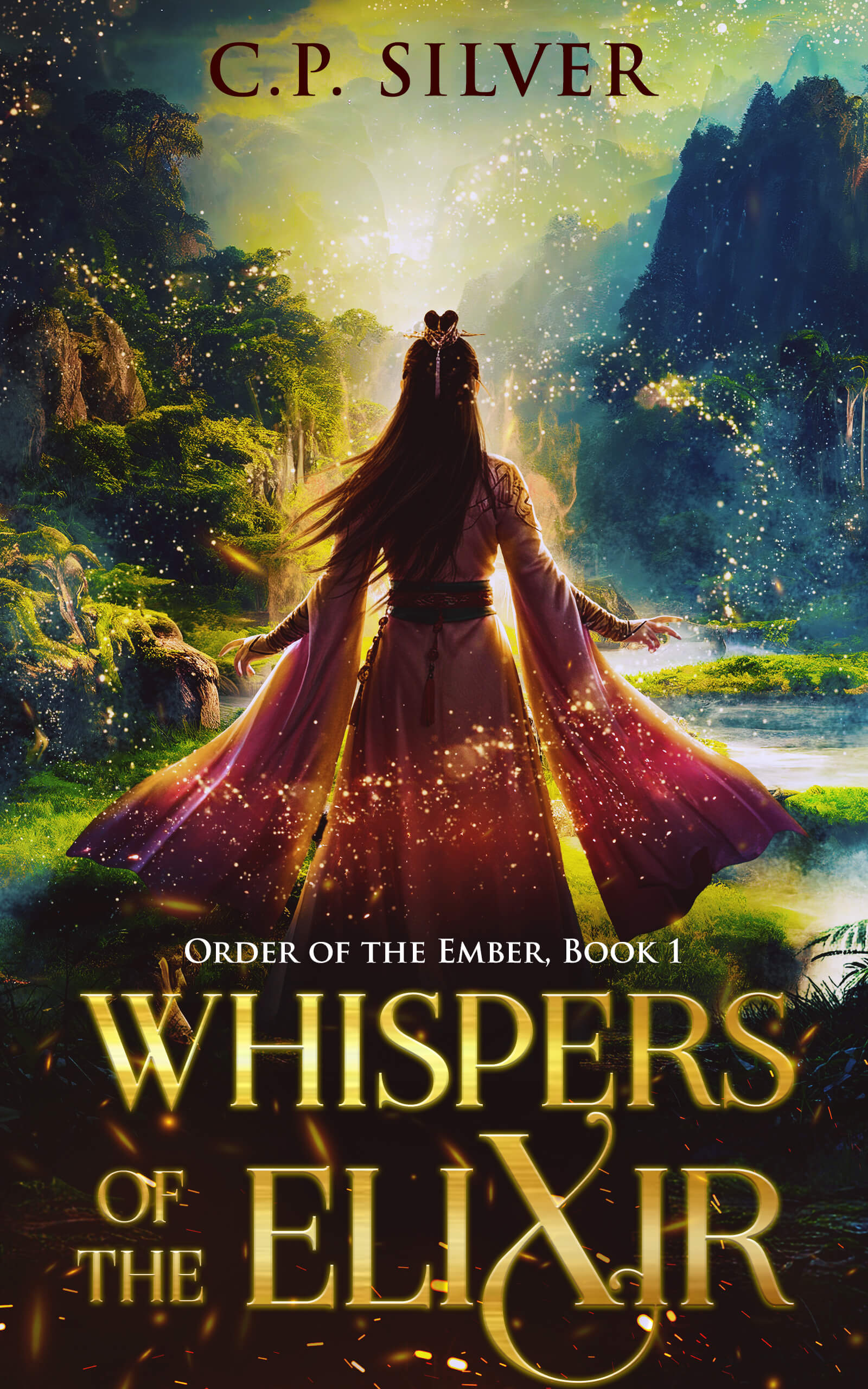
Whispers of the Elixir explores a matriarchal empire where power has always corrupted—regardless of who holds it. Where elemental magic carries a physical cost that can kill the wielder. Where a princess must decide whether claiming her forbidden power is worth the price it will exact from everyone she loves.
Like Middle-earth, it’s a world built with the same attention to consequence, the same understanding that power always costs something, and the same belief that the choices individuals make can reshape entire civilizations.
Come experience the wonders of the mystical realm of Arizan with Whispers of the Elixir. Get it here!.